

The Best Under Sink Water Filter in France (2026 Guide)
Condividi questo articolo
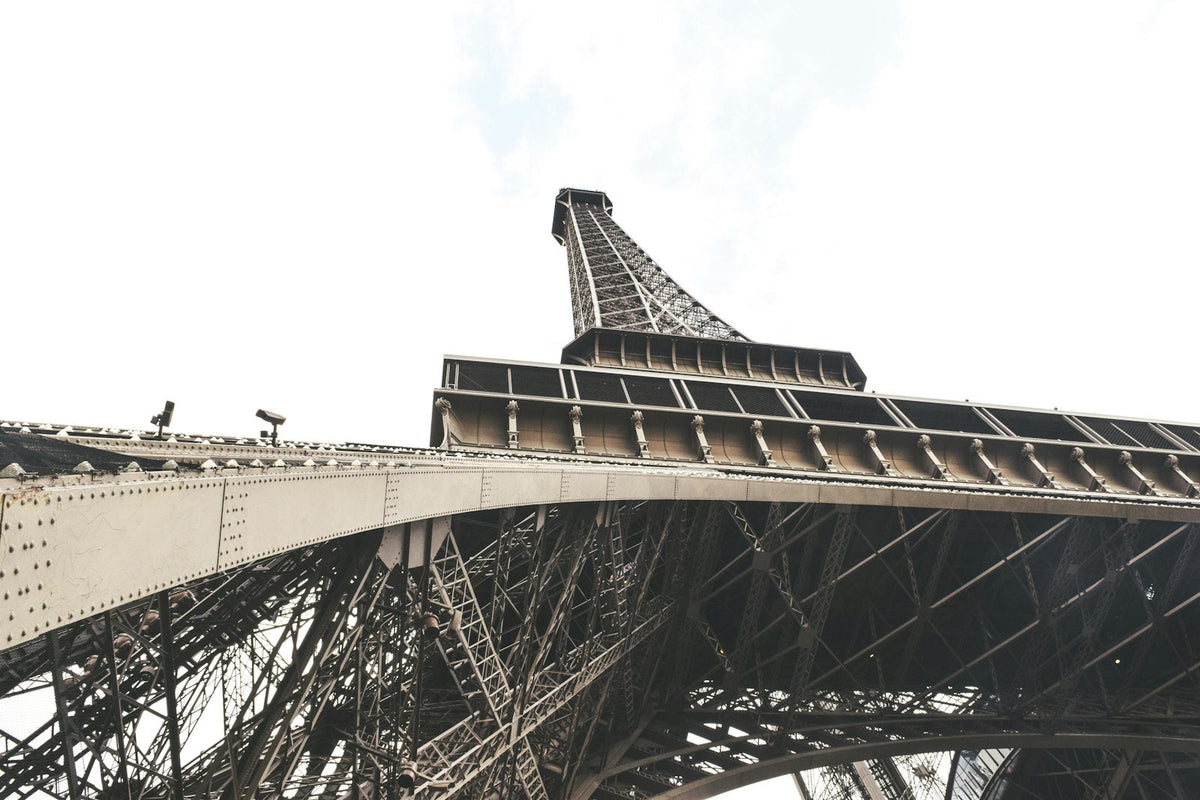

If you live in France, you already know one thing: the water is safe — but not always easy to love.
French tap water meets strict EU and national standards, yet taste, hardness, and mineral levels vary a lot depending on where you live. Paris and much of the limestone-rich Paris basin run noticeably hard. Other regions are softer, depending on local geology and whether the supply comes from groundwater or a river.
And this is exactly why under-sink water filters have become the upgrade French households reach for: better taste, fewer impurities, and no more hauling bottled water home from Carrefour, Leclerc or Monoprix.
See the PJURE under-sink water filter, available with free EU shipping to France.
Why an Under-Sink Water Filter Works So Well in France
France's biggest tap-water challenge isn't safety — it's taste, hardness, and old building pipes, especially in city centers.
An under-sink filter helps because it:
- reduces chlorine (common in larger cities)
- improves taste and clarity
- reduces micro-impurities + sediment from older pipes
- keeps healthy minerals intact
- reduces PFAS through activated carbon
- requires no electricity or wastewater
- doesn't take up countertop space
It's the easiest way to upgrade French tap water — no carafe filtrante required.
Tap Water in France: Safe, but Often Hard in Limestone Regions
French drinking water standards are set by the Ministère de la Santé under the Public Health Code, with day-to-day sanitary checks run by the regional Agences régionales de santé (ARS), who publish water-quality results for your commune.
Hardness varies with local geology:
- Paris & the Île-de-France basin → limestone-rich geology means noticeably hard water in much of the region
- Other regions → hardness depends heavily on local rock type and whether supply is groundwater or river-sourced — it can vary street to street, not just city to city
Hard water isn't dangerous — it just tastes flat, bitter, or metallic, and leaves limescale in kettles, coffee machines, and on fittings. For your own commune's exact results, your local ARS or the national Hub'Eau database publishes the real lab data.
An under-sink system doesn't soften water (which is good — minerals matter), but it improves taste, reduces chlorine and PFAS, and filters out sediment from older French plumbing.
Why Under-Sink Filters Beat Pitcher Filters (Sorry, Brita)
Pitcher filters are common in France, but they have limits:
- small capacity
- slow filtering
- not great for PFAS reduction
- plastic sitting in warm kitchens (hello bacteria)
- taste improvement is mild compared to under-sink systems
Under-sink water filters offer:
- faster flow
- better chlorine reduction
- stronger PFAS reduction (activated carbon)
- better coffee and tea taste
- cleaner-tasting water with minerals intact
What To Look for in an Under-Sink Filter in France
1. High-quality activated carbon
This is the most important stage for taste, chlorine, PFAS, VOCs and microplastics.
2. KDF (copper + zinc)
Creates redox reactions that help reduce chlorine and certain metals while stabilizing the filtration system long-term.
3. A PP membrane
Useful for catching fine sediment or pipe particles, especially in older Haussmann-era buildings.
4. Mineral-friendly filtration
Much of France's water is naturally rich in minerals — you want to keep that.
5. Stainless steel housing
More durable than plastic, especially in warm kitchens or older buildings with occasional pressure spikes.
6. Simple installation
French plumbing fittings are relatively standardized — plug-and-play systems work very well, even in compact Parisian kitchens.
Is an Under-Sink Water Filter Worth It in France?
Yes — absolutely.
If you:
- buy bottled water from Carrefour, Leclerc, Monoprix or Intermarché
- don't like the taste of hard tap water
- want to improve coffee and tea quality
- care about sustainability
- live in an older building with old pipes
…an under-sink filtration system is one of the smartest upgrades you can make.
Who This Guide Is For
- Families
- Renters & homeowners
- Coffee lovers
- Expats in Paris, Lyon, Marseille, Bordeaux
- Anyone tired of dragging bottled water home
PJURE's System (10-Second Version)
Designed for European water — including France's harder-water regions.
- Stainless steel housing
- Coconut activated carbon
- KDF (copper + zinc)
- PP membrane
- Mineral-friendly media
- No electricity
- No wastewater
- ~10 min installation
- Clean, crisp, mineral-rich water
Full system details:
mypjure.com/products/under-sink-water-filter
Conclusion: France + Under-Sink Filter = A Perfect Match
France's tap water is safe, but its taste and hardness vary a lot depending on where you live.
A high-quality under-sink water filter makes your tap water clean, crisp and consistently great — whether you're in Paris, Lyon, Marseille or anywhere in between.
Your appliances will thank you. Your coffee will too. And your recycling bin? Much happier.
Discover the PJURE system → mypjure.com/products/under-sink-water-filter


