

Is Tap Water Safe in Sweden? What You Need to Know
Compartilhe este artigo
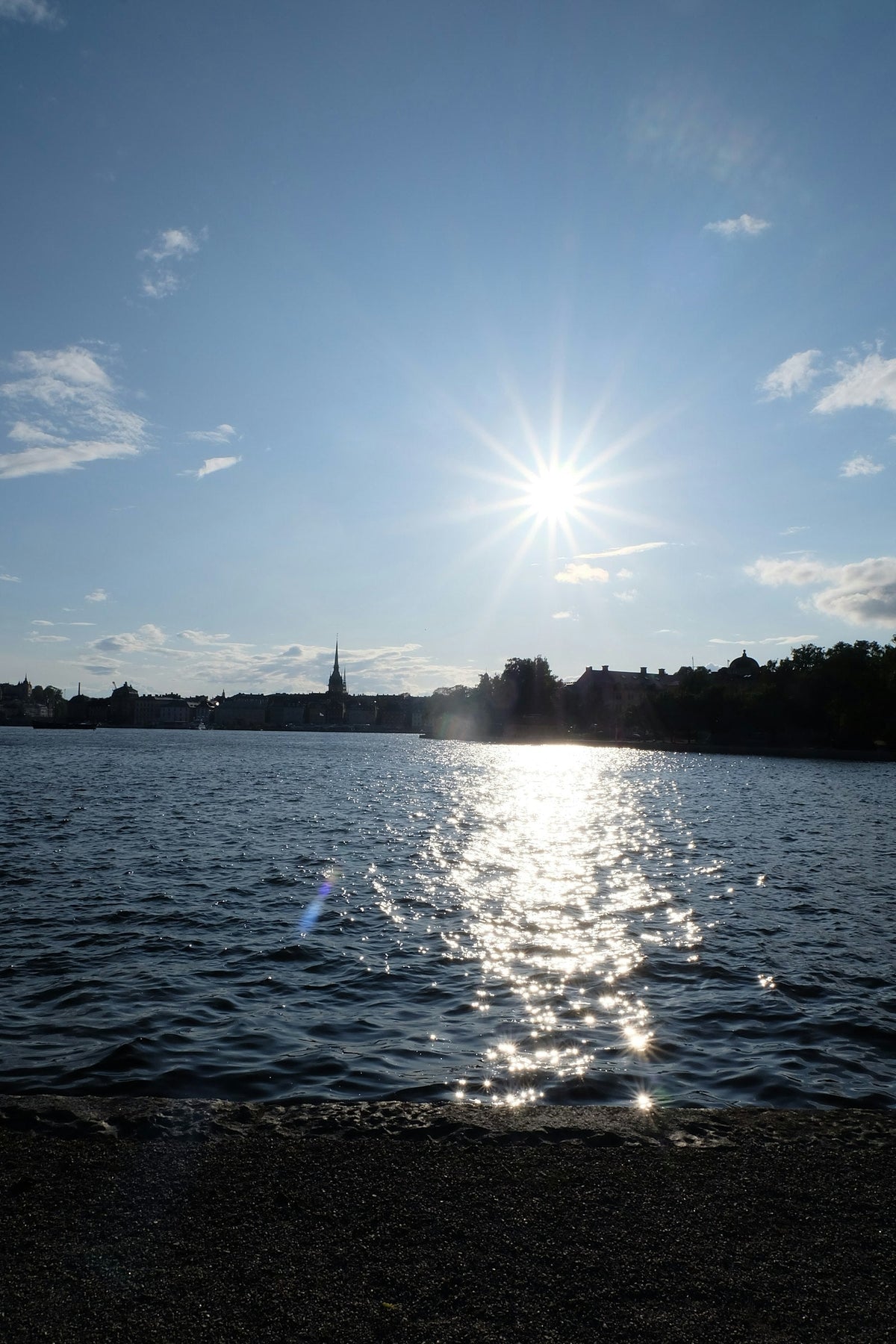

Sweden's reputation precedes it: pristine lakes, Arctic glaciers, some of the cleanest nature in Europe. So is the tap water actually as good as everyone assumes?
Short answer: yes, almost everywhere — Sweden's drinking water infrastructure is genuinely excellent.
But "excellent infrastructure" and "nothing to think about" aren't quite the same thing, especially now that Sweden has just introduced one of the strictest PFAS limits in Europe — and found that a meaningful share of its own water doesn't meet it.
If you'd rather not think about it at all, the PJURE under-sink water filter gives you an added layer of PFAS reduction and consistent water quality, wherever in Sweden you live.
How Swedish Tap Water Is Regulated
Drinking water in Sweden is regulated by Livsmedelsverket, the Swedish Food Agency, which sets quality standards and requires municipal suppliers to test regularly against dozens of parameters.
Livsmedelsverket's own official report on drinking water quality for 2020–2022 found:
- In the peak testing year (2021), municipal suppliers ran 114,362 analyses — and only 308 of them, roughly 0.3%, exceeded a legal limit
- Of the 58 regulated parameters, only 20 were ever exceeded anywhere in the country over the three-year period
- The most common issues were operational, not hazardous — colony counts, coliform bacteria, iron and manganese linked to municipal distribution networks, not contamination at the source
By that measure, Sweden's reputation holds up: this is genuinely one of the best-regulated, best-maintained water systems in Europe.
The Exception: PFAS
Sweden didn't have a strict PFAS limit until recently. That changed in 2026, when a much tighter threshold — 4 nanograms per litre for the sum of four PFAS substances — came into force, down from an earlier action level of 90 ng/L.
Testing by the Swedish Society for Nature Conservation found PFAS in almost all of the 30 municipalities it tested, with three — Gävle, Halmstad and Västerås — above that new 4 ng/L threshold. A University of Gothenburg research estimate puts the number of Swedes currently drinking water above the new limit at around 2 million people — roughly one in five.
The most severe documented case remains Ronneby, where firefighting foam used at a nearby military airbase contaminated the municipal supply from the 1980s until 2013. A 2025 health register study of more than 46,000 residents found measurably higher rates of cardiovascular disease among those who drank the contaminated water for years.
None of this means Swedish tap water is unsafe to drink. It means the bar just moved — and water that was considered acceptable under the old rules may not meet the new one.
For more on how PFAS behaves in European tap water and which filtration actually reduces it, see:
How to Remove PFAS from Tap Water in Europe
The Other Exception: Private Wells
An estimated 2 million Swedes get their drinking water from a private well rather than a municipal supply — and wells aren't covered by Livsmedelsverket's municipal testing at all. Maintaining and checking water quality is the well owner's own responsibility.
Regional studies show why that matters. A study of household wells in the Kristianstad district found that around a quarter of tested wells failed the bacteria standard, and roughly three in eight had nitrate levels above the recommended limit.
If you're on a private well, filtration isn't a lifestyle choice — it's closer to a necessity, and worth testing your specific water before deciding what to filter for.
Does Filtering Affect the Minerals in Swedish Water?
This depends entirely on the filtration method. Reverse osmosis and ion-exchange softeners strip out calcium, magnesium and other minerals along with everything else. Activated carbon filtration works differently — it targets PFAS, chlorine and taste-affecting compounds while leaving naturally occurring minerals in place.
The World Health Organization notes that minerals in drinking water are bioavailable and contribute to overall mineral intake — one reason many Swedish households prefer a system that reduces what they don't want without stripping out what's naturally there.
Best Filtration Options for Swedish Homes
Pitcher Filters
Jug filters can reduce chlorine taste, but their PFAS reduction is limited, capacity is small, and cartridges need frequent changing — better suited to occasional use than daily reliance, especially if PFAS reduction is the actual goal.
Under-Sink Water Filters
Under-sink systems filter continuously at the tap, handle far higher volumes than a jug, and need far less frequent maintenance. They're a particularly good fit if you're on a private well or live in one of the municipalities where PFAS levels have tested above the new threshold — and for renters, most systems install without any permanent changes to the plumbing.
If you rent and want a clear breakdown of what actually works, this guide covers it:
Best Water Filter for Renters in Europe
So, Is Tap Water Safe in Sweden?
Yes — for the large majority of households on municipal supply. Sweden's water infrastructure is genuinely among the best-maintained in Europe, and Livsmedelsverket's own data backs that up.
The real nuance is PFAS and private wells:
- Roughly 1 in 5 Swedes currently drink water above the new, stricter 2026 PFAS threshold
- Specific municipalities — including Gävle, Halmstad and Västerås — have measured levels above that limit
- Around 2 million Swedes rely on private wells, which aren't covered by municipal testing at all
If either applies to you, filtering isn't about distrust of Swedish water generally — it's about closing a specific, well-documented gap.


