

The Best Under Sink Water Filter in the Netherlands (2026 Guide)
Teile diesen Artikel
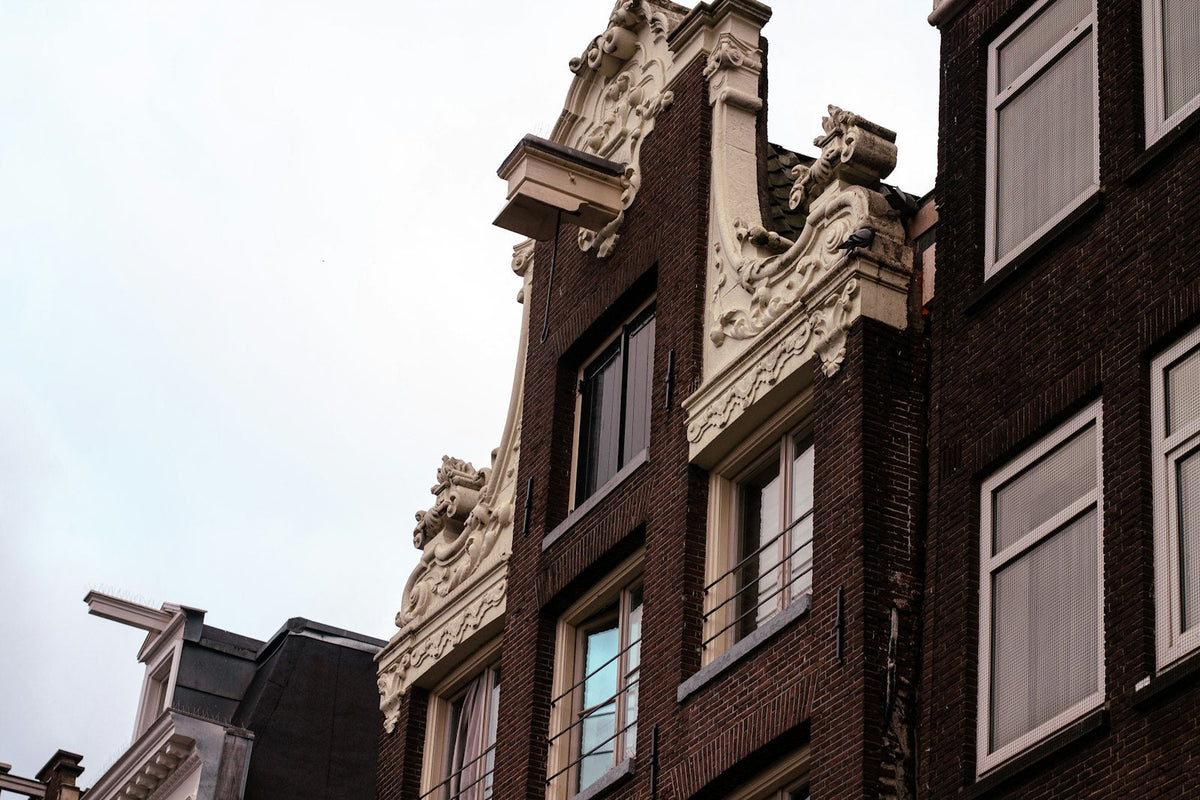

If you live in the Netherlands, you already know one thing: the water is safe — genuinely some of the best-regulated tap water in Europe.
Dutch drinking water meets the requirements of the Drinking Water Decree in over 99.9% of measurements, and about 60% of it comes from groundwater, which tends to taste cleaner than surface-sourced supply. Still, taste and mineral content vary by region and by local water company, and PFAS traces — found in tap water across most of Europe — are part of the ongoing conversation here too.
And this is exactly why under-sink water filters have become the upgrade Dutch households reach for: better taste, fewer impurities, and no more hauling bottled water home from Albert Heijn or Jumbo.
See the PJURE under-sink water filter, available with free EU shipping to the Netherlands.
Why an Under-Sink Water Filter Works So Well in the Netherlands
The Netherlands' tap water is already among the best-regulated in Europe — the main reason to upgrade is taste, PFAS reduction, and older plumbing in historic city centers.
An under-sink filter helps because it:
- reduces chlorine (where used in treatment)
- improves taste and clarity
- reduces micro-impurities + sediment from older pipes
- keeps healthy minerals intact
- reduces PFAS through activated carbon
- requires no electricity or wastewater
- doesn't take up countertop space
It's the easiest way to upgrade Dutch tap water — no waterfilterkan required.
Tap Water in the Netherlands: Excellent Compliance, Still Worth Filtering
Dutch drinking water is tested against the Drinking Water Decree (Drinkwaterbesluit), overseen by the Human Environment and Transport Inspectorate (ILenT), with monitoring data supplied by RIVM, the national institute for public health and the environment.
A few things worth knowing:
- Compliance → drinking water met the Decree's requirements in over 99.9% of measurements nationally
- Source → roughly 60% groundwater and 40% surface water, drawn from around 200 locations across the country
- PFAS → independent analysis of the ten regional water companies' own figures found that more than a third of people have tap water above RIVM's precautionary health advisory benchmark, though every region stays well under the legally binding EU limit; RIVM states the water remains safe to drink
In short: Dutch tap water is safe and well-regulated, but PFAS is a real, ongoing topic here — and it's exactly the kind of compound activated carbon filtration is good at reducing.
An under-sink system doesn't soften water (which is good — minerals matter), but it improves taste, reduces chlorine and PFAS, and filters out sediment from older Dutch plumbing.
Why Under-Sink Filters Beat Pitcher Filters (Sorry, Brita)
Pitcher filters are common in the Netherlands, but they have limits:
- small capacity
- slow filtering
- not great for PFAS reduction
- plastic sitting in warm kitchens (hello bacteria)
- taste improvement is mild compared to under-sink systems
Under-sink water filters offer:
- faster flow
- better chlorine reduction
- stronger PFAS reduction (activated carbon)
- better coffee and tea taste
- cleaner-tasting water with minerals intact
What To Look for in an Under-Sink Filter in the Netherlands
1. High-quality activated carbon
This is the most important stage for taste, chlorine, PFAS, VOCs and microplastics.
2. KDF (copper + zinc)
Creates redox reactions that help reduce chlorine and certain metals while stabilizing the filtration system long-term.
3. A PP membrane
Useful for catching fine sediment or pipe particles, especially in older canal-house buildings.
4. Mineral-friendly filtration
Much of the Netherlands' groundwater-sourced water is naturally mineral-rich — you want to keep that.
5. Stainless steel housing
More durable than plastic, especially in warm kitchens or older buildings with occasional pressure spikes.
6. Simple installation
Dutch plumbing fittings are relatively standardized — plug-and-play systems work very well, even in narrow canal-house kitchens.
Is an Under-Sink Water Filter Worth It in the Netherlands?
Yes — absolutely.
If you:
- buy bottled water from Albert Heijn, Jumbo or Lidl
- want to reduce PFAS specifically
- want to improve coffee and tea quality
- care about sustainability
- live in an older building with old pipes
…an under-sink filtration system is one of the smartest upgrades you can make.
Who This Guide Is For
- Families
- Renters & homeowners
- Coffee lovers
- Expats in Amsterdam, Rotterdam, The Hague, Utrecht
- Anyone tired of dragging bottled water home
PJURE's System (10-Second Version)
Designed for European water — including the Netherlands' PFAS-conscious households.
- Stainless steel housing
- Coconut activated carbon
- KDF (copper + zinc)
- PP membrane
- Mineral-friendly media
- No electricity
- No wastewater
- ~10 min installation
- Clean, crisp, mineral-rich water
Full system details:
mypjure.com/products/under-sink-water-filter
Conclusion: The Netherlands + Under-Sink Filter = A Perfect Match
Dutch tap water is some of the best-regulated in Europe, but PFAS and taste are still good reasons to filter at the source.
A high-quality under-sink water filter makes your tap water clean, crisp and consistently great — whether you're in Amsterdam, Rotterdam or anywhere in between.
Your appliances will thank you. Your coffee will too. And your recycling bin? Much happier.
Discover the PJURE system → mypjure.com/products/under-sink-water-filter


