

Can You Drink Tap Water in the Netherlands? (2026 Guide)
Share this article
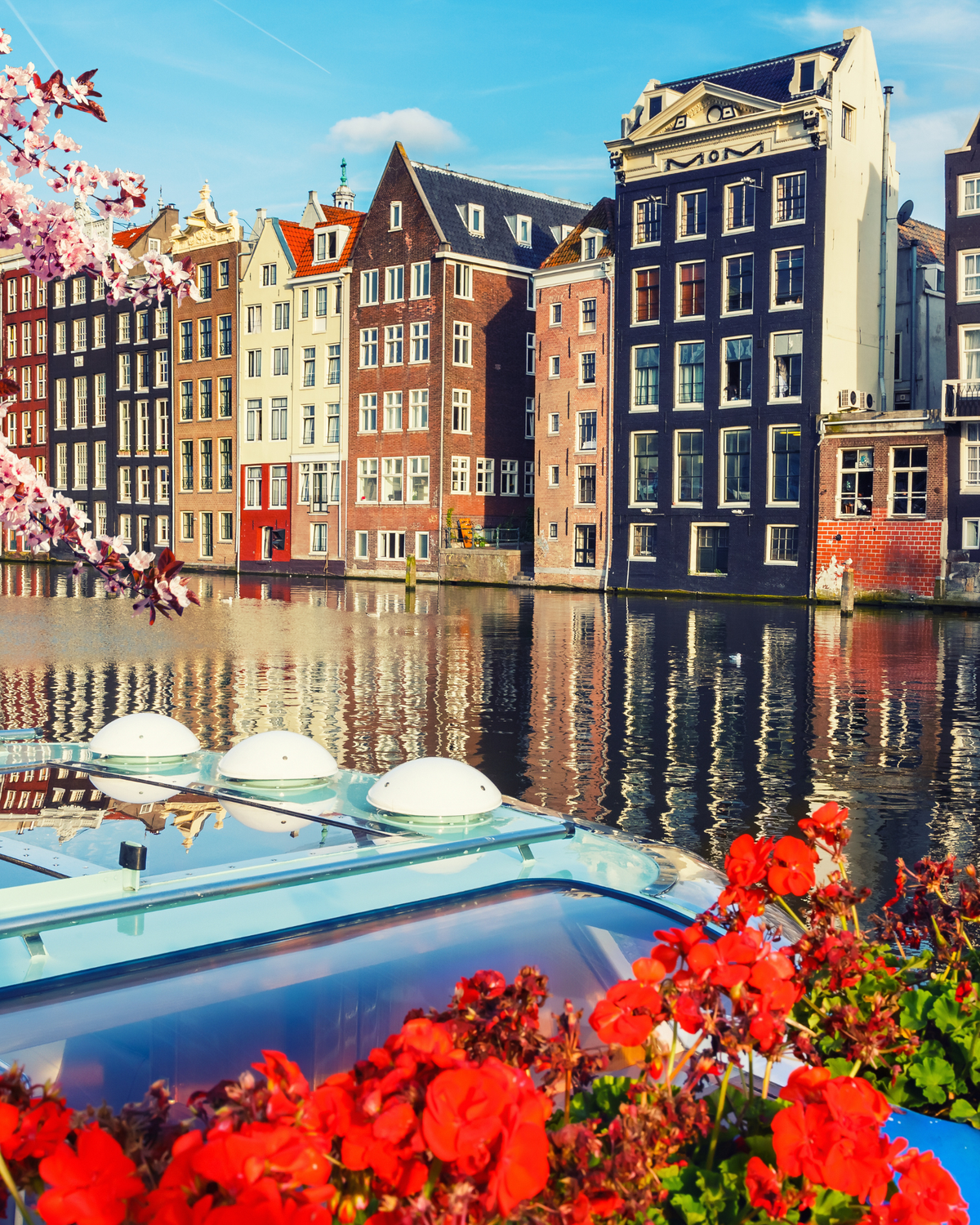

Yes — you can drink tap water in the Netherlands, including in Amsterdam. Dutch tap water is among the best-monitored in Europe, and it is usually delivered without added chlorine. That is why it often tastes better than tap water in neighbouring countries.
Below: how Dutch water is treated, how to check your own area, what the PFAS discussion is about, and when a filter still makes sense.
Quick answers
- Is it safe? Yes. Drinking water in the Netherlands must meet the EU Drinking Water Directive and Dutch law, and is tested by the water companies under government supervision (RIVM).
- Amsterdam? Yes. Amsterdam's water comes from the dunes and the Bethunepolder and is supplied by Waternet.
- Is there chlorine in Dutch tap water? Normally not. Dutch water companies rely on clean sources, multi-step treatment and well-maintained pipes instead of a chlorine residual (Smeets et al., 2009).
- Hard or soft? It varies by region: softer in much of the west and north, harder in parts of the south and east.
- Can tourists drink it? Yes. Tap water in homes, hotels and restaurants is drinking water.
How Dutch tap water is treated
More than half of Dutch drinking water comes from groundwater; the rest comes from surface water such as the Rhine and Meuse, which is cleaned in several steps (often including dune infiltration). Because treatment removes almost all microorganisms and nutrients, and the pipe network is well maintained, the Netherlands is one of the few European countries that normally supplies drinking water without a chlorine residual (Smeets et al., 2009, Drinking Water Engineering and Science).
Quality is set by the EU Drinking Water Directive (Directive (EU) 2020/2184). Your water company publishes the results for your postcode on its website.
What about PFAS?
PFAS have been found in Dutch rivers and some water sources, and Dutch water companies have called for stricter rules on discharges (Vewin, 2024). Since 12 January 2026, all EU tap water must stay below 0.1 µg/L for the sum of 20 PFAS. The European Environment Agency describes PFAS pollution as widespread in Europe (EEA).
Your water company must test for PFAS and meet these limits. A home filter is an optional extra step, not a replacement. More in our guide: How to Remove PFAS from Tap Water in Europe.
Why some people still filter
- Old pipes: in older buildings, the last metres of plumbing can affect taste. Houses built before 1960 may still have lead pipes; the government advises having them replaced.
- Taste: hard water in some regions, or a slight "pipe" taste after the water has stood still.
- Habit: people moving from countries with chlorinated water often prefer to keep filtering.
If that applies to you, an under-sink filter on your existing kitchen tap is the most practical option. The PJURE under-sink water filter reduces chlorine and taste issues and keeps calcium and magnesium in the water; its chlorine reduction is independently tested at 97% or more through 30,000 litres (see the results). In the Netherlands, where water is mostly unchlorinated, the main benefit is taste and sediment from old pipes, not chlorine.
Frequently asked questions
Can you drink tap water in Amsterdam?
Yes. Amsterdam's tap water is safe and among the best-tasting in the country. You can refill a bottle at any tap.
Why doesn't Dutch tap water taste of chlorine?
Because chlorine is normally not added. Clean sources, thorough treatment and well-maintained pipes keep the water safe without it.
Do I need to boil tap water in the Netherlands?
No. Boiling is only needed if your water company issues a boil-water notice, which is rare.
Is bottled water better than Dutch tap water?
Not in quality. Dutch tap water meets the same strict EU standards and costs a fraction of the price.
PJURE stainless steel under-sink water filter → Learn more · FAQ
By Annette Holst, founder of PJURE · Updated 23 October 2026


