

Mineral-Rich Water: What It Is and Which Filters Keep the Minerals
Share this article
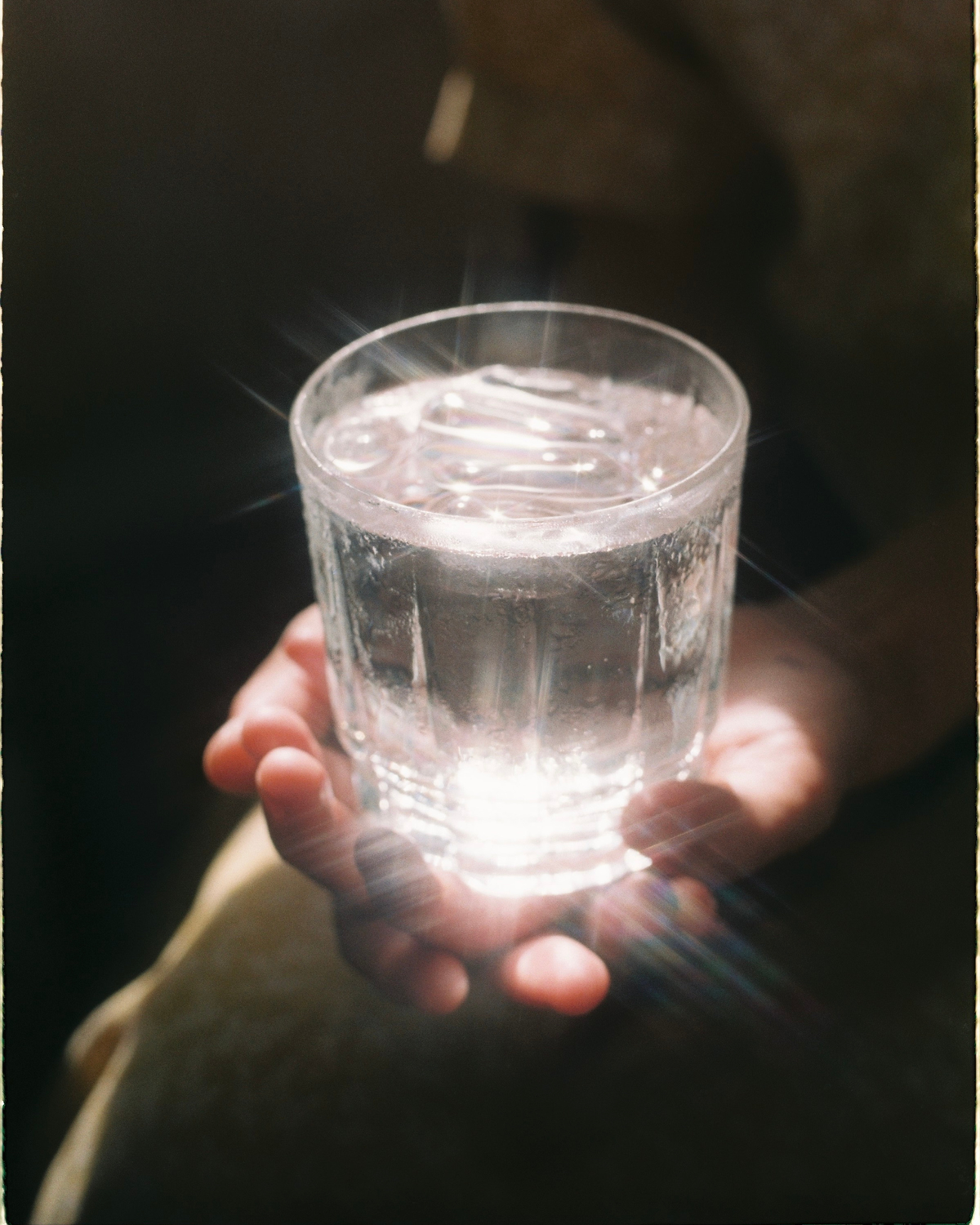

Mineral-rich water is water that naturally contains dissolved minerals — mainly calcium and magnesium, plus smaller amounts of sodium, potassium and bicarbonate. Most European tap water already is mineral-rich; how much depends on the rocks the water passes through. This guide explains what those minerals are, what the research and the WHO say about them, and which water filters keep them and which remove them.
Quick answers
- What counts as mineral-rich? There is no single legal threshold for tap water. "Hard" water (over about 14 °dH or 2.5 mmol/L) is high in calcium and magnesium; "soft" water is low.
- Is tap water a meaningful source of minerals? It can be. The WHO notes that drinking water can contribute to daily calcium and magnesium intake, especially hard water (WHO, Calcium and Magnesium in Drinking-water).
- Do minerals affect taste? Yes. Calcium, magnesium and bicarbonate give water its "body"; water with almost none tastes flat.
- Which filters remove minerals? Reverse osmosis, distillation and ion-exchange resins (used in many jug filters). Activated-carbon filters generally don't.
What minerals are in tap water?
| Mineral | Where it comes from | What you notice |
|---|---|---|
| Calcium | Limestone, chalk | Hardness, limescale, a rounder taste |
| Magnesium | Dolomite and other rocks | Hardness; at high levels a slightly bitter taste |
| Bicarbonate | Dissolved carbonate rocks | Buffers pH; important for coffee extraction |
| Sodium, potassium | Various rocks and soils | Usually low in European tap water |
Your water supplier publishes the hardness and mineral values for your address. EU tap water limits are set by Directive (EU) 2020/2184.
Mineral-rich vs demineralised water
Demineralised water — from reverse osmosis or distillation without remineralisation — contains almost no calcium or magnesium. WHO publications on calcium and magnesium in drinking water discuss remineralising demineralised water, mainly for taste and to limit corrosion of pipes (WHO). That is why many reverse-osmosis systems add a separate remineralisation stage.
For most people, food is the main source of calcium and magnesium. Drinking water is a contribution, not a supplement. We don't make health claims about water — but if you prefer to keep what is naturally in your tap water, the choice of filter matters.
Which water filters keep minerals?
| Filter type | Calcium & magnesium | Notes |
|---|---|---|
| Reverse osmosis | Removed (unless remineralised) | Also sends part of the water to the drain |
| Ion-exchange jug filters | Largely removed | Water becomes softer and lower in minerals (Stiftung Warentest, 2022) |
| Activated carbon (block or granular) | Kept | Reduces chlorine, taste and odour |
| Water softener | Swapped for sodium | For limescale, not for drinking-water taste |
The PJURE under-sink water filter uses activated carbon and KDF® 55 copper-zinc media with no ion-exchange resin or membrane, so calcium and magnesium stay in your water. Its chlorine reduction is independently tested at 97% or more through 30,000 litres (results).
Frequently asked questions
Is hard water bad for you?
No. Hard water is safe to drink. Its main drawbacks are limescale and, for some people, the taste.
Why doesn't my TDS meter reading drop after filtering?
Because TDS mostly measures dissolved minerals. A filter that keeps calcium and magnesium will show roughly the same TDS — that is expected.
Is mineral water from a bottle better than tap water?
Not necessarily. Bottled mineral waters vary from very low to very high mineral content; many European tap waters contain similar amounts of calcium and magnesium.
Does reverse osmosis water need remineralising?
Many RO systems include a remineralisation cartridge, mainly for taste and to protect pipes and appliances from corrosion.
Related: Why reverse osmosis removes minerals · Reverse osmosis vs water filter
By Annette Holst, founder of PJURE · Updated 23 October 2026


