Italy has a long history of public water systems, natural springs and regional water sources. In most cities and towns, tap water is legally safe to drink.
But as in many European countries, “safe” doesn’t always mean consistent, great-tasting or free from substances people prefer to reduce.
So let’s answer the real question:
Is tap water safe to drink in Italy?
Yes — by law. But quality, taste and trust vary significantly by region.
How Tap Water Is Regulated in Italy
Italian tap water is regulated under the EU Drinking Water Directive (EU 2020/2184), which sets strict limits for microbiological and chemical safety.
Local water authorities are responsible for monitoring, treatment and reporting.
This means Italian tap water is tested for:
- bacteria and pathogens
- heavy metals
- regulated chemical substances
From a legal and public health perspective, tap water in Italy is considered safe.
Why Tap Water Tastes Different Across Italy
Italy’s geography plays a big role in water quality.
Tap water varies depending on:
- mountain vs groundwater sources
- mineral content
- regional treatment methods
- building plumbing
In many areas, Italian tap water is naturally hard, meaning it contains higher levels of calcium and magnesium.
According to the World Health Organization, these minerals are naturally occurring in drinking water and contribute to taste and hardness.
WHO – Hardness in drinking-water
Chlorine in Italian Tap Water
Chlorine is commonly used in Italy to keep water microbiologically safe during distribution.
While effective, chlorine often affects:
- taste
- smell
- how pleasant water feels to drink
Even when chlorine levels are well below legal limits, many people find the taste off-putting.
This is one of the main reasons Italians turn to water filtration or bottled water.
PFAS and Emerging Contaminants in Italy
PFAS (per- and polyfluoroalkyl substances) have been detected in water sources across several European countries, including parts of Italy.
The European Environment Agency confirms that PFAS are persistent chemicals that are not always fully removed by conventional water treatment.
European Environment Agency – Emerging chemical risks in Europe
Monitoring and regulation are improving, but:
- not all PFAS compounds are regulated yet
- testing frequency varies by region
- legal compliance does not mean zero exposure
If you want a clear explanation of how PFAS behave in European tap water and how filtration helps reduce them, this guide goes deeper:
How to Remove PFAS from Tap Water in Europe
Is Bottled Water Safer in Italy?
Italy is one of Europe’s largest consumers of bottled water.
Often, this is about taste and habit — not safety.
However, bottled water comes with drawbacks:
- plastic waste
- transport emissions
- higher long-term cost
For many households, improving tap water quality is a more sustainable and practical choice.
Water Filtration Options for Homes in Italy
Pitcher Filters
Pitcher filters can reduce chlorine taste but offer limited capacity and require frequent cartridge changes.
They work best as a short-term or entry-level solution.
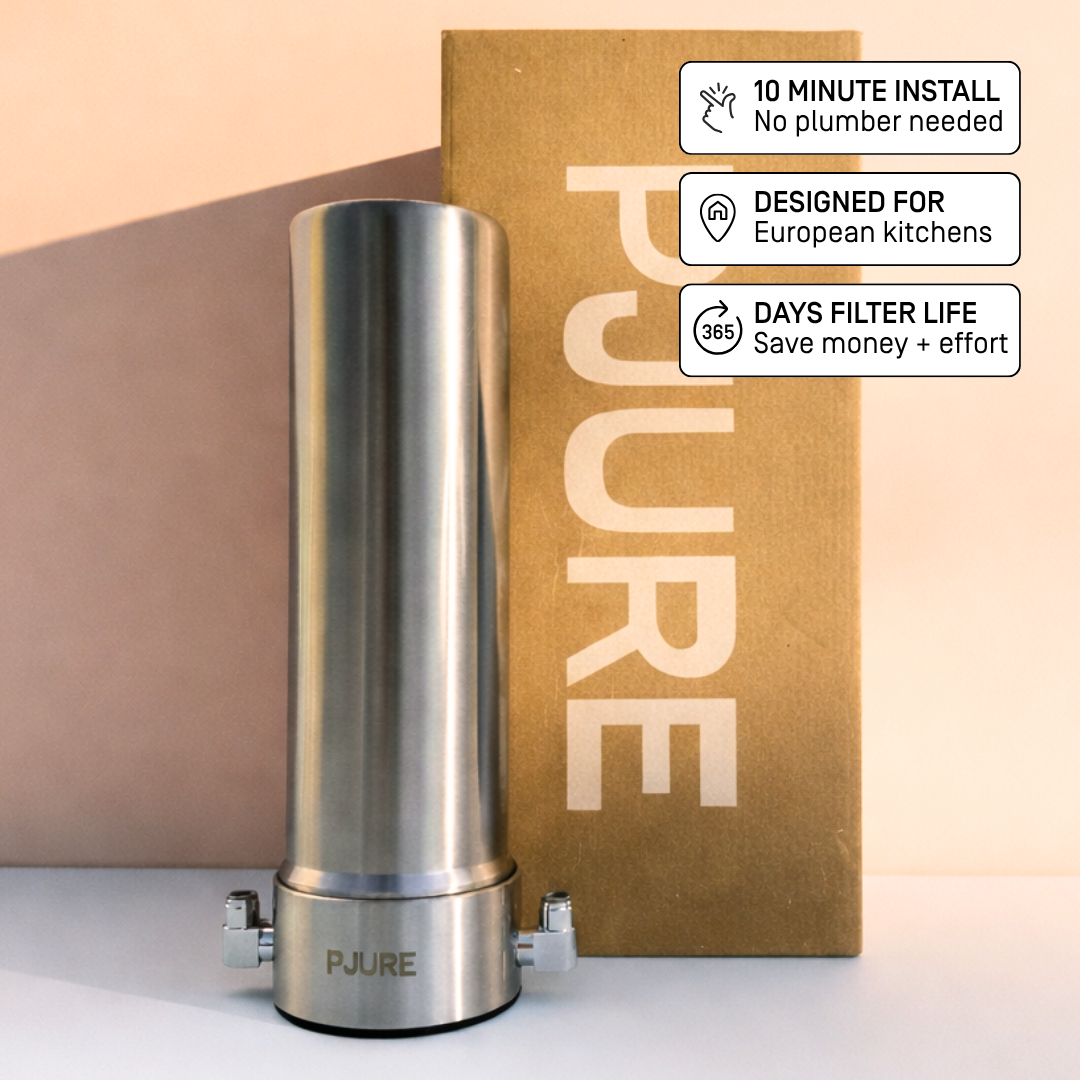
Under-Sink Water Filters
Under-sink filtration systems treat water directly at the tap.
Compared to pitchers, they:
- handle larger volumes
- reduce chlorine more effectively
- require less frequent maintenance
Many modern systems are also suitable for renters and apartments.
If you rent in Italy and want to know what actually works without drilling or permanent changes, this guide explains your options:
Best Water Filter for Renters in Europe
Do Water Filters Remove Minerals?
This depends on the filtration technology.
Some systems remove minerals along with contaminants. Others focus on reducing unwanted substances while keeping naturally occurring calcium and magnesium.
The World Health Organization notes that minerals in drinking water contribute to overall mineral intake and influence taste.
So, Is Tap Water Safe in Italy?
Yes. Tap water in Italy is legally safe and strictly regulated.
But many households still choose to filter it to:
- improve taste
- reduce chlorine
- address concerns about PFAS and trace contaminants
- avoid bottled water
Filtering isn’t about fear. It’s about preference, comfort and everyday quality.
If you want clean, good-tasting water straight from your tap, an under-sink filtration system is a practical and long-term solution.